
One minute you’re talking, the next you’re not. Well, not really. Your words are still coming out, but nobody’s listening. The person you’re talking to is still sitting in front of you, but they’re miles away. And the harder you push to make your point, the further they seem to drift away from you.
When our communication breaks down, it’s easy to think the problem is a lack of clarity. Maybe we didn’t explain ourselves well enough. Do we need to say it again, more precisely, maybe louder? So we try harder. But the conversation gets even worse.
People are sensitive. In particular, people are highly sensitive to pressure, criticism, and stress. Often more than we appreciate. Or, if we do acknowledge that, we often ignore it in favor of getting our ‘important’ points across.
But consider the other person.
When they (most people) hear criticism, detect pressure, or feel stressed by what you’re saying, a flood of chemical reactions begins to take place in their body.
What’s Happening In Their Brain
You’ve just lit up their threat detection system. This system doesn’t distinguish between the message you’re conveying and a real physical threat. It’s all the same as far as their nervous system is concerned.
So, in the face of a threat, they have no choice. Their amygdala activity (the warning part of their brain) will increase, and their prefrontal cortex (the thinking part of their brain) will be turned way down.
Those poor people. No matter how much they want to stay calm, focused, and rational, the part of their brain that allows that has just been told to stand down while the defensive part takes over.
They’re now in ‘survival’ mode. Focusing on your message has become a distant priority.
Meanwhile, you feel the need to be heard (damn it!). So you repeat yourself, raise your voice, sharpen your accusations, and end up confirming everything the other person feared.
“This IS a threat”, they think. And then retreat behind a wall they never intended to build.
Ironically, the people who most need to be heard, who most need validation, are often the ones who make their point impossible to receive because of the tone with which they deliver it.
The solution has nothing to do with the words you choose. Or, very little. It’s not about the topic either. And it’s definitely not about who you choose to communicate with.
It’s about safety. Whether the other party’s nervous system perceives the circumstances as safe, free from the threat of pressure, criticism, or stress.
The Way To Be Heard
So, if you want your message to land. Even if it may be hard to hear, you can increase your chances significantly by doing these 5 things:
- Open your body. Drop your shoulders, take a deep breath, shake off your own stress, and open your hands. Take steps to regulate yourself before engaging. The other person’s nervous system reads your state before it reads your words.
- Lower your volume. Just noticeably quieter than the emotion of your message. Raised volume is a threat signal.
- Validate first. One sentence that shows you understand their world before you raise the issue. “I know you’ve had a rough week” changes everything about how your message lands.
- Use “I feel” instead of “you did.” “I felt invisible” keeps the listener out of the firing line. “You always make me feel invisible,” puts them on guard.
- Pause before you respond. A full breath before you reply signals that you’re thinking, not reacting.
The Conditions Matter More Than Your Message
None of this is about softening your message or pretending problems don’t exist. It’s about understanding that the conditions of a conversation determine what’s possible more than the message. The wrong conditions can’t be fixed with clarity or good intentions. Get the conditions right, and hard conversations become possible without the other person hiding behind a wall.
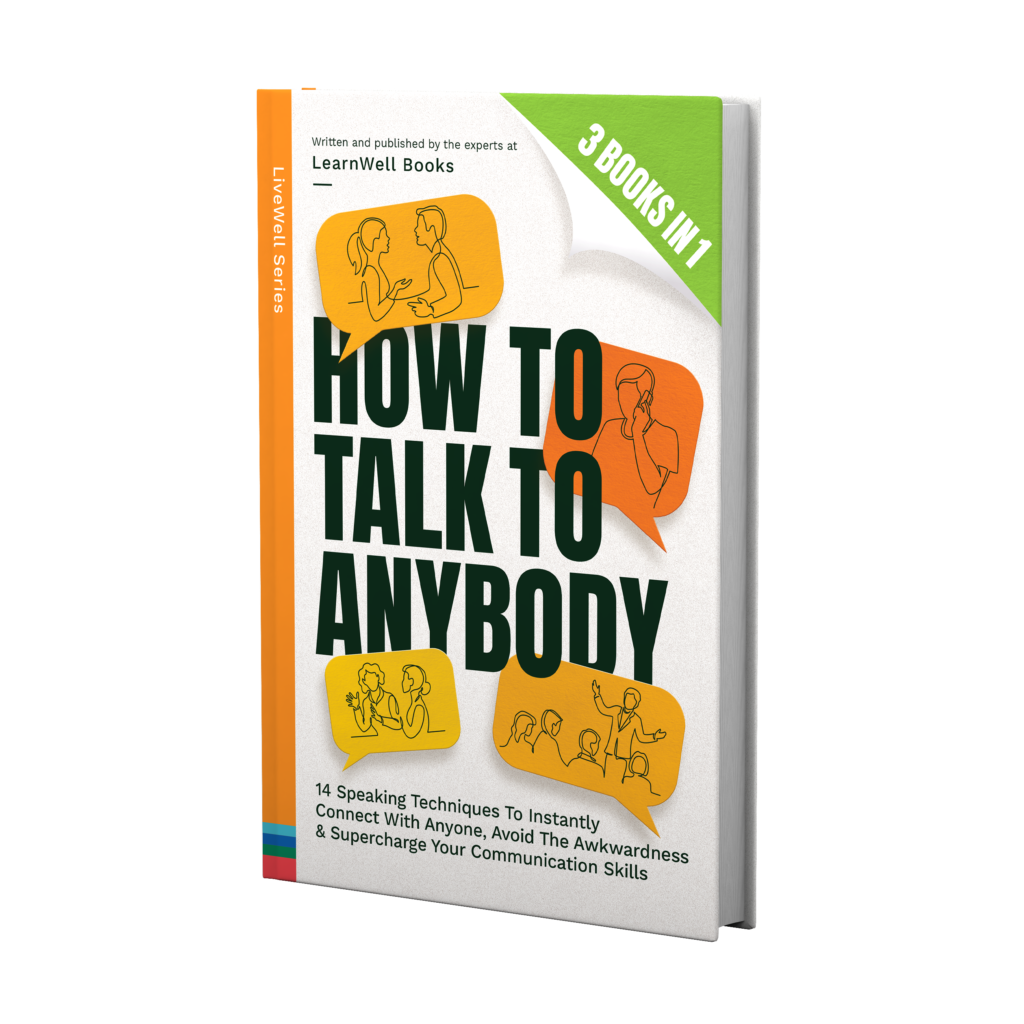
Let Them Hear You
This fortnight, we’re sharing 10 simple techniques to give your words influence and impact. These ideas come from the books in our Confident Communication series.
See the books